


Educational only, not medical advice - See full disclaimer.
If you’ve ever snacked on something “sweet but healthy” and wondered how much sugar your body can really handle, new research from Nature Metabolism offers eye-opening insights. A team of scientists led by Sunhee Jung discovered that a common prebiotic fiber, inulin, can help protect the liver from sugar-related damage, and not by reducing sugar intake, but by retraining the gut microbiome.
Join a community of health-conscious readers and subscribe for weekly physician insights.
The Modern Problem with Fructose
Fructose is the simple sugar found naturally in fruit which is harmless in small amounts. But when it’s concentrated in high-fructose corn syrup (HFCS) and added to processed foods and sodas, it can overwhelm the body’s metabolism. The small intestine has a limited capacity to process fructose safely. Once the threshold is crossed, the excess travels to the liver, where it’s converted into fat through de novo lipogenesis.
Over time, this leads to fatty liver disease which is now one of the most prevalent liver conditions globally.
Even people with normal body weight can develop what’s known as “lean fatty liver,” which often goes unnoticed but still raises the risk of metabolic and cardiovascular disease.
Inulin: Training the Gut’s Metabolic Shield
In this study, mice on a high-fructose diet were given inulin, a fiber made up of fructose molecules found in plants like chicory, garlic, and asparagus. Despite continuing to consume fructose, these mice showed reversed signs of liver fat accumulation, insulin resistance, and inflammation.
The secret? Inulin doesn’t nourish you directly, it nourishes your gut microbes. These bacteria learn to metabolize fructose in the small intestine, breaking it down before it ever reaches the liver when it is in excess.
Even more remarkable, the research showed that mice with existing liver damage still improved once inulin was given to them. In short, the gut’s microbiome, properly “trained” with inulin, became a metabolic shield.
The Microbial Hero: Bacteroides acidifaciens
Among the microbes that flourished in this new environment, one stood out: Bacteroides acidifaciens. This bacterium thrives on inulin and specializes in fructose breakdown. When researchers transplanted gut microbes from inulin-fed mice to others lacking them, those recipients also gained the ability to clear fructose efficiently.
This transfer experiment underscored the key insight: the liver’s recovery and protection can be driven by microbe composition, not just diet.
A Metabolic Chain Reaction
The researchers observed a series of positive metabolic shifts set in motion by inulin:
Fructose interception – Microbes consumed fructose in the small intestine, preventing large amounts from reaching the liver.
Reduced liver fat – Microscopic examination showed fewer fat droplets and lower triglyceride levels.
Improved insulin sensitivity – Fasting glucose and insulin levels normalized.
Enhanced fat burning – The liver increased fatty acid oxidation, using stored fat for energy.
Oxidative stress reduction – The liver produced more protective antioxidants, including glutathione, helping cells manage metabolic stress.
These changes occurred without reducing calorie intake. The difference was not in how much the animals ate, but in how the body processed what it received.
The Liver’s Metabolic Makeover
When fructose stopped overwhelming the liver, its metabolism fundamentally changed. Instead of turning sugars into fat, the liver began using those carbons to create serine, glycine, and glutathione, molecules essential for detoxifying reactive oxygen and repairing tissue.
Essentially, the organ switched from fat builder to cell protector. The study also showed that when researchers disrupted the gut microbiome with antibiotics, all these benefits disappeared. This proved that the gut-liver connection was critical to the transformation.
Inside the Study: Gene and Pathway Shifts
Using advanced isotopic tracing, Jung and colleagues uncovered that inulin suppressed fat-making genes such as Acss2, Scd1, and Acly. At the same time, it upregulated genes linked to mitochondrial fat oxidation, meaning the liver started to burn more fat instead of storing it.
The key insight here is essential: inulin didn’t reduce the amount of fructose consumed, it changed how the body used it. This shift in energy metabolism highlights a new understanding of fiber’s power beyond digestion: it can actively reprogram metabolic pathways through microbial signaling.
Reversing Damage After It Happens
One of the most encouraging findings was that inulin could reverse liver damage even after it had developed. In the experiment, mice that had been eating a high-fructose diet for months were later switched to the same diet plus inulin. Within weeks, signs of inflammation dropped, liver scarring decreased, and genes associated with fat storage quieted down.
This doesn’t mean fiber is a miracle cure. Still, it does suggest that metabolic flexibility can be restored through the right combination of diet and microbial activation even after harm has occurred.
What It Means for Humans
While these results come from mouse models, the implications are relevant to human health. They reinforce what nutrition science has long hinted: fiber intake protects against metabolic disease not just by reducing calories, but by changing how sugars are handled inside the body.
For individuals with high sugar consumption or early signs of metabolic dysfunction such as elevated triglycerides or fatty liver markers focusing on gut health could be a game-changer. Researchers suggest that species like Bacteroides acidifaciens might one day be developed into targeted probiotics for managing fructose metabolism and liver health.
The Real “Detox”: Retraining, Not Restricting
This isn’t about fad cleanses or juice detoxes. Inulin’s effects come from metabolic retraining, not cleansing. By nourishing beneficial bacteria, fiber shifts the metabolic burden away from the liver, creating a form of internal “toxin management” far more powerful (and sustainable) than restrictive diets.
As the researchers described, this adaptation allows the intestine to act as a natural filter. The gut and liver collaborate to clear fructose safely, preventing it from overwhelming metabolic pathways.
Practical Takeaways for Daily Life
You don’t need lab mice to replicate these benefits. The same metabolic principles apply to humans through diet and lifestyle:
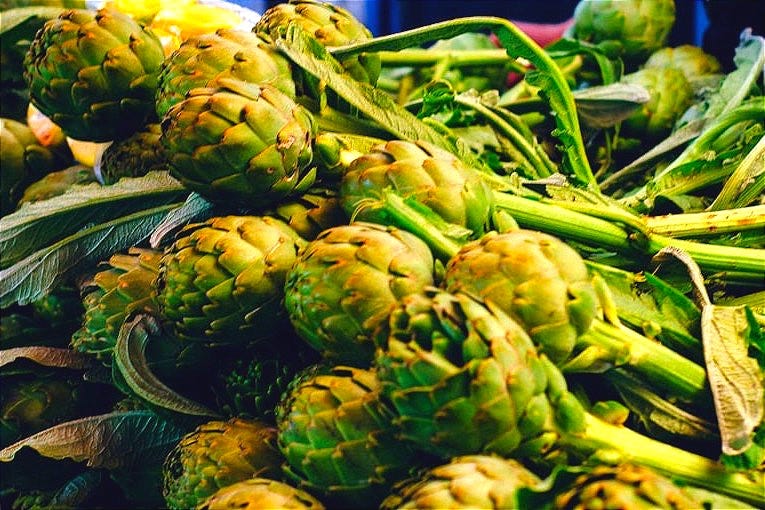
Eat more prebiotic-rich foods such as garlic, onions, leeks, asparagus, and Jerusalem artichokes. These naturally contain inulin and related fibers.
Supplement wisely: In humans, 5–10 grams of inulin daily is safe and well-studied for improving insulin sensitivity and gut health (consult your doctor before supplementing).
Feed your microbes consistently: It takes time for your microbiome to adapt to fiber-rich diets; consistency matters more than quantity.
Conclusions:
Inulin trains your gut microbiome to metabolize fructose before it has a chance to burden the liver.
This process reduces and reverses fatty liver markers in animal models.
The liver’s metabolism shifts toward antioxidant production and away from fat creation.
These effects require a balanced, fiber-fed microbiome, illustrating the gut-liver partnership.
Bacteroides acidifaciens plays a central role in this fructose-clearing mechanism.
The research suggests future fiber-based probiotic therapies for metabolic diseases.
In an age where fructose sneaks into nearly everything we eat, this finding is hopeful: our health may depend less on avoiding every sugar molecule and more on equipping our microbiome to handle them wisely.
Next time you load your plate, remember: your microbes should eat first, and what they digest determines how well you thrive.
Whats the dosage for human equivalent of inulin
Another super article, much info that is useful